
Topographic Survey Findings That Can Change a Site Plan
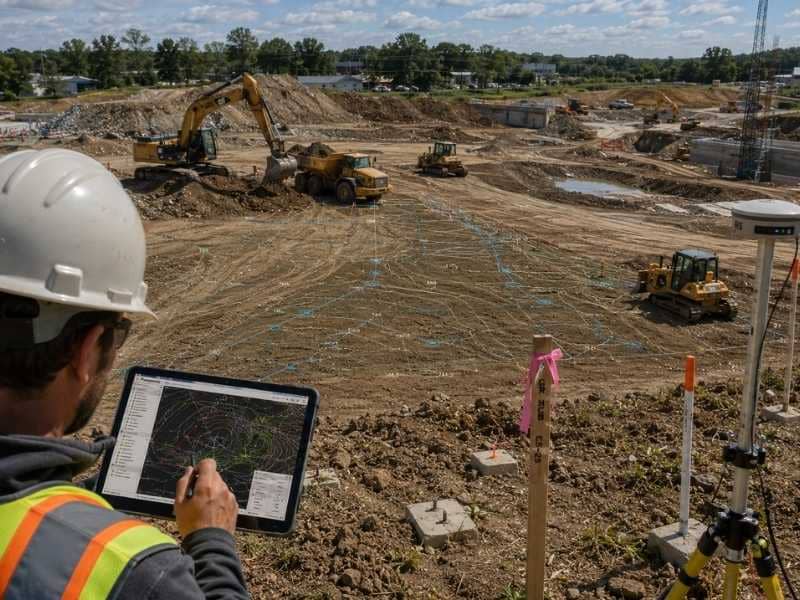
A site plan starts as an educated guess about how a project fits the land. A topographic survey turns that guess into fact. The facts do not always match the plan. When the survey comes back, a designer often moves buildings, reshapes grading, or reroutes roads to fit the real ground. These changes are not setbacks. They are the survey doing its job before construction locks a mistake in place. Here are the findings that most often send a site plan back to the drawing board.
Why the Topographic Survey Often Triggers the First Big Revision
Most early site plans rest on rough data, like an old map or a quick look. The topographic survey replaces those guesses with exact elevation points across the site. Once that real shape arrives, parts of the plan may no longer work. A good designer expects this. They treat the survey as the moment to adjust.
The findings can touch almost every part of a plan:
- Where the building sits and which way it faces
- How crews grade the land and where fill goes
- Where stormwater collects and where it should drain
- How the driveway and parking connect to the road
- Where utilities run to reach the building
When the survey shifts one of these, the others often move with it. That is why the first plan after a survey rarely looks like the last plan before it.
A Steeper Slope Can Move the Building Footprint
A plan may place a building in the flattest-looking spot. Then the survey shows the grade is steeper than it seemed. A steep slope changes how much earth a crew must move. It also changes how they build the foundation. Rather than fight that grade, a designer may move the footprint to a flatter part of the lot. That single move can cut grading cost and make the whole build simpler.
Sometimes the better fix is to turn the building, not move it. Lining up the long side with the contour lets the building follow the land instead of cutting across it. The survey gives the exact slopes needed to make that call. Without it, the choice is just a guess.
Drainage Paths Can Reposition Buildings and Stormwater
A topographic survey shows where water naturally flows across a site. If a planned building sits right in that path, it has to move. Or the design routes the water around it. Either way, the plan changes once the flow is clear. Designers would rather learn this on paper than during the first heavy rain.
The survey also points to the best place for stormwater features. A low corner that collects runoff may become the spot for a pond or a swale. Placing those features where water already goes works better than pushing water uphill. That is a layout decision the survey makes for you.
Features Worth Keeping Can Reshape the Layout
Not every change comes from a problem. A survey maps the things you may want to save, like big trees, a rock outcrop, or a solid old building. A grand old tree might be worth bending the driveway around. A designer can shift the plan to protect what adds value to the finished site.
Other features are worth avoiding instead. A band of rock near the surface can make digging slow and costly in one area. Knowing where it sits lets the designer keep heavy digging somewhere else. The plan adapts to the ground rather than the ground fighting the plan.
Access and Grade Can Reroute Roads and Utilities
How you get onto a site depends on the grade at the edges. If the survey shows a steep drop near the road, the driveway may need a new angle. It may also need a longer, gentler path. That change can ripple into where the parking and entrance end up. A small elevation surprise at the street can reshape the whole front of the plan.
Utilities follow the same rule. Water and sewer often depend on slope to run the right way. So elevation decides their route. The survey shows whether gravity does the work or the design needs a pump. Planning those lines around the real grade keeps the system simple and reliable.
Frequently Asked Questions
Why does a site plan change after a topographic survey?
An early plan relies on rough information, while the survey gives exact elevation data. Once the design team knows the real shape of the land, parts of the plan often no longer fit. The designer then revises the plan to match the ground.
How much can a topographic finding shift a building’s location?
It depends on the finding. A steep slope or a drainage path can move a footprint by many feet. In some cases the building turns or slides to a better part of the lot entirely. The survey provides the exact numbers that guide how far it moves.
Who decides how to revise the plan after the survey?
The civil engineer, architect, and site designer usually work together to update the plan. They weigh the survey findings against the project goals and the budget. The surveyor supplies the data, and the design team makes the final calls.
Can a topographic survey save money during design?
Yes, catching a problem on paper is far cheaper than fixing it during construction. Moving a building or redrawing a road on a plan costs little compared to redoing real work. A survey done early helps avoid those expensive surprises.
When in the design process should the topographic survey happen?
The survey should come early, before the team locks in the plan. Designing first and surveying later often means redoing finished work. Starting with the survey lets the first real plan reflect the actual site.
Does every topographic survey lead to a plan change?
Not always, since some sites match the early assumptions closely. Even then, the survey confirms the plan is safe to build. That has real value. When changes come up, finding them early keeps a project on track.
