
How an Elevation Certificate Can Get Your Home Out of a Flood Zone
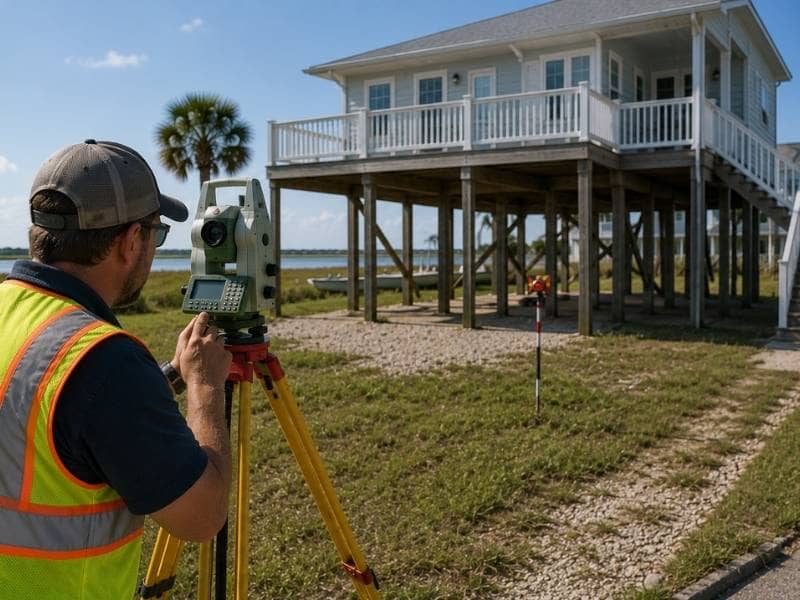
Plenty of homes sit in a high-risk flood zone on the map. In real life, they rest safely on high ground. If that sounds like yours, an elevation certificate may be worth requesting. The certificate measures how high your home sits next to the flood level FEMA uses. When the numbers show your home is high enough, you can ask FEMA to remove it from the high-risk zone. That single change can drop a flood insurance bill you may not even need.
When the Map and Your Home Disagree
Flood maps cover wide areas. They cannot catch every small rise in the ground. A home built on a small hill or a filled lot may sit well above the water line. The map can still say high risk. The map draws a broad zone, but your house might stand on the safe edge of it. That gap between the map and the real ground is where a certificate helps.
A few signs suggest your home might be in the zone by mistake:
- Your lot sits noticeably higher than the street or nearby homes
- The home was built on fill or raised on a tall foundation
- Your neighbors a short distance away are not in the zone
- You have never seen water come close in a heavy storm
- The flood line on the map runs right through your block
None of these prove anything on their own. They are just hints that the exact numbers may be worth checking.
What an Elevation Certificate Proves
An elevation certificate is a form a licensed surveyor fills out. They measure your property first. It records the height of your lowest floor and the ground around the home. Then it compares those heights to the base flood elevation. That is the level FEMA expects floodwater to reach in a bad storm. The result shows in plain numbers whether your home sits above or below that line.
This is the proof FEMA wants before it changes anything. A guess or a feeling is not enough. A surveyor’s signed and sealed measurement is. If the certificate shows your lowest floor sits above the flood level, you have a strong case. That document is the key that can open the door to a map change.
How a Map Amendment Request Works
When your home sits above the flood level, you can ask FEMA to update its record. People call this request a Letter of Map Amendment, or LOMA for short. You send FEMA the elevation certificate and a short application. Then they review the numbers. If the data checks out, they issue a letter that takes your home out of the high-risk zone.
The process is more paperwork than construction. You are not changing the house or the land. You are just fixing the record to match the real height. FEMA does not usually charge a fee for this kind of review. The main cost is the surveyor’s work to prepare the certificate.
What Changes if FEMA Agrees
A successful map amendment removes the federal rule that forces you to carry flood insurance. With a federally backed loan in a high-risk zone, the rules require that coverage. It can cost a lot each year. Once FEMA takes your home off the high-risk map, that federal requirement goes away. For many owners, that is real money back in the budget.
A few things do not change. It helps to know them. Your real flood risk stays whatever it always was. The ground did not move. You can still buy flood insurance, often at a lower rate. Many owners choose to keep some coverage. The amendment fixes the record, not the weather.
When It Is Not Worth Pursuing
A certificate is only worth requesting if there is a real chance your home sits above the flood level. If your lowest floor is clearly below it, the numbers will not support a map change. The certificate still helps rate your insurance. It just will not remove you from the zone. A quick talk with a surveyor can tell you whether your case is worth the cost.
It also helps to know your lender’s stance. Even after FEMA drops the federal rule, a lender can still ask you to carry flood insurance. It can be a condition of the loan. That does not always happen, but it is worth checking first. Clear expectations keep the effort from feeling like a letdown.
Frequently Asked Questions
What is an elevation certificate?
An elevation certificate is a form a licensed surveyor completes after measuring a property. It records how a building sits compared to the expected flood level. That includes the height of the lowest floor and the ground around it. Insurers, lenders, and FEMA use it to judge a home’s flood risk.
Can an elevation certificate remove me from a flood zone?
It can support a request to remove your home from the high-risk zone, but only if the numbers qualify. The certificate must show your home sits at or above the base flood elevation. FEMA then reviews that proof and makes the final decision.
Who decides if my home leaves the flood zone?
FEMA makes the call, not the surveyor or the insurance company. The surveyor provides the measurements, and you submit them with a request. FEMA reviews the data and issues a letter if your home qualifies.
Does a map amendment lower my flood insurance?
A successful amendment removes the federal rule that requires the coverage. That can lower your costs. You may still choose to keep a policy, often at a reduced rate. The savings depend on your home, your zone, and your insurer.
Will my lender still require flood insurance after a LOMA?
Sometimes yes, because a lender can set its own rules on top of the federal ones. Even after FEMA removes the federal requirement, your lender may still ask for coverage. It is smart to check with them before you expect the bill to drop.
What if my home sits below the base flood elevation?
If your lowest floor sits below that level, a map amendment is unlikely to succeed. The certificate will still help rate your flood insurance fairly. In that case, the value is accurate pricing rather than removal from the zone.
