
ALTA Survey Details Developers Often Review First
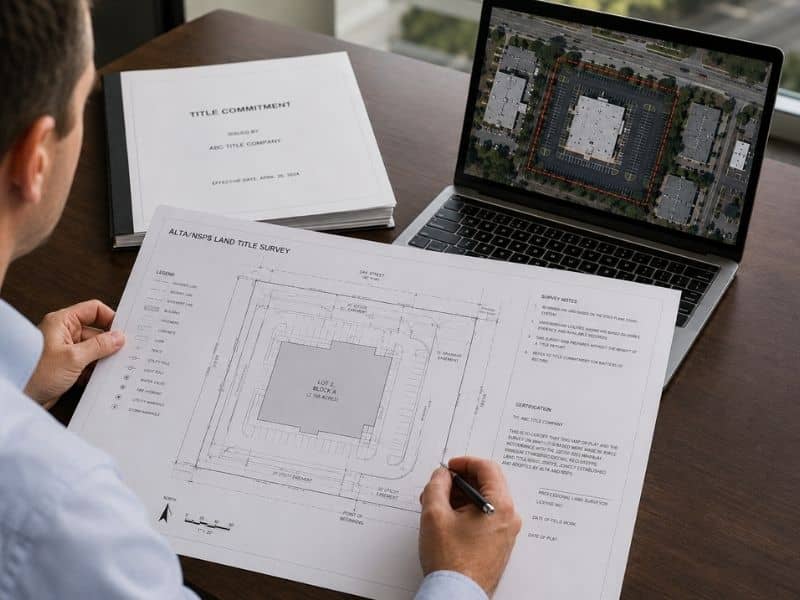
An ALTA survey is one of the most useful papers used in a business real estate deal. It gives developers, lenders, title companies, and design experts a clear view of the property before building or rebuilding starts.
The survey does more than show property lines. It also records access, easements, current upgrades, and other features that may affect how the land can be used. Checking these facts early helps developers spot problems before closing. It also helps with better planning through the whole project.
Property Boundaries and Access Rights
One of the first parts developers check is the property boundary. Knowing exactly where the property starts and ends matters a lot before making choices about buildings, parking, utilities, or growth.
The survey also shows legal access to the property. This includes road frontage, recorded access points, and rights-of-way that let cars and people reach the site. Without legal access, a property may be hard to build on or get a loan for.
Developers compare the survey with the title papers to check that the property matches the land shown in the field. If gaps show up, they can be checked before the deal moves forward.
Knowing the property boundaries and access rights early gives the team a solid starting point for planning.
Easements That May Affect Future Development
Easements are another key part of an ALTA survey. They give certain people or groups the legal right to use part of the property for a set reason.
Common types include utility easements, drainage easements, access easements, and public rights-of-way. Even though these spots stay part of the property, they may limit where buildings, parking lots, or other upgrades can go.
For example, an underground utility easement may stop building over buried lines. A drainage easement may need to stay open so stormwater can move through the land. An access easement may let nearby properties use part of the site to enter.
Developers check these recorded rights early because they can affect the whole site plan and future building plans.
Existing Improvements and Potential Encroachments
An ALTA survey also records many of the visible features found on the land. These facts help developers understand the current site before making design plans.
The survey may find:
- Existing buildings
- Parking lots and paved areas
- Fences and walls
- Utility structures
- Sidewalks and driveways
The survey may also spot possible encroachments. An encroachment happens when a building, fence, pavement, or other upgrade crosses a property line or goes into an easement.
Finding encroachments before closing gives the buyer and seller time to check the issue. In some cases, the two sides may fix the problem before the sale is done. In other cases, legal deals or title notes may handle it.
Checking these features early helps cut down on surprises during building.
Table A Items That Provide Additional Site Information
An ALTA survey follows national minimum rules, but it can also add optional Table A items.
These extra items give more facts asked for by the buyer, lender, title company, or developer. The chosen items depend on what the project needs.
For example, some Table A items may record parking spots, utility features, signs of recent earth movement, building heights, or other site upgrades. Other items may give facts that support funding or future design work.
Since Table A items are optional, they should be picked before the survey starts. Waiting until after fieldwork is done may need extra site visits or changes.
Developers often talk about these choices with the surveyor, lender, and title company to make sure the finished survey has the facts the deal needs.
Using ALTA Survey Results During Due Diligence
The finished ALTA survey becomes a key part of the due diligence process. It gives several members of the project team solid facts before the property changes owners.
Developers use the survey to study possible building spots, parking layouts, utility hookups, and future growth plans. Lenders check the survey as part of their loan process. Title companies compare the survey with the title commitment to check that easements, access rights, and other recorded rights have been handled the right way.
Architects and engineers may also use the survey as a starting point for site planning. True boundary facts let the design team build early ideas that match the property’s real conditions.
During due diligence, the team may compare the survey with zoning facts, environmental reports, and engineering studies. Together, these papers give a better picture of the property’s chances and limits before big money is spent.
Frequently Asked Questions
What information do developers review first on an ALTA survey?
Developers usually start by checking the property boundaries, legal access, and easements. They also look at existing upgrades and any possible encroachments. These are the facts most likely to affect future building.
Why are easements important on an ALTA survey?
Easements show spots where utilities, drainage systems, access routes, or other legal rights may limit building or future site upgrades. Knowing where they are helps the team plan around them. Missing an easement can lead to costly design changes later.
What are Table A items on an ALTA survey?
Table A items are optional features that give more facts beyond the standard survey rules. They are picked based on what the project needs. Choosing them before the survey starts saves time and money.
Does an ALTA survey identify encroachments?
Yes. An ALTA survey may spot visible encroachments involving buildings, fences, pavement, or other upgrades that cross property lines or reach into easement areas. Finding these early gives buyers and sellers time to sort them out. This can prevent legal issues after closing.
Who typically relies on an ALTA survey during commercial development?
Developers, buyers, lenders, title companies, attorneys, architects, and engineers often depend on an ALTA survey during due diligence. Each group uses it for a different part of the deal. Together, they rely on it to make sound choices before the sale is done.
